Terminus, the Device of Erasmus
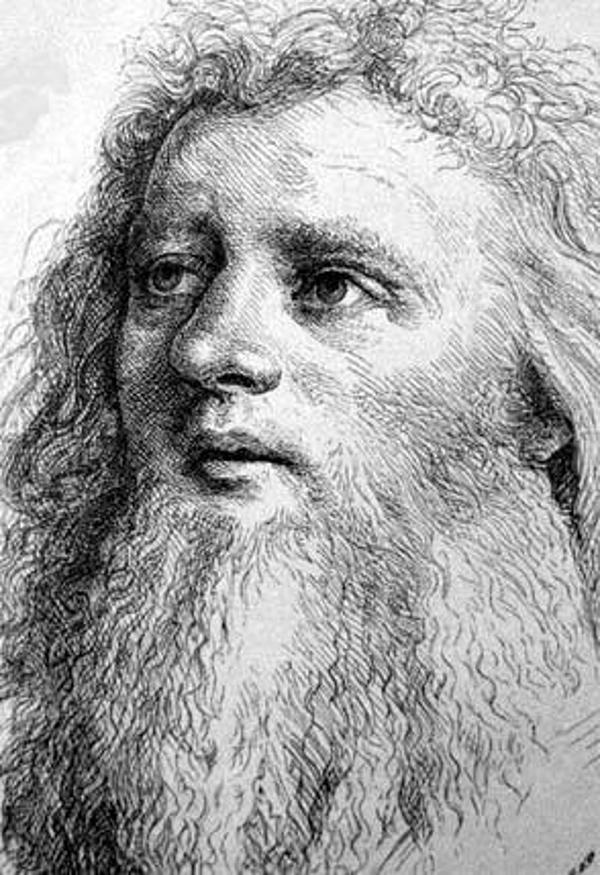
1532 - Painting - 21.6cm x 21.6cmHere in the Cleveland Museum of Art, we have a fascinating piece from 1532 called "Terminus, the Device of Erasmus" by the German Renaissance master, Hans Holbein the Elder. This oil painting on panel, measuring 0.216 meters by 0.216 meters, depicts the Roman god Terminus, who interestingly, was the god of boundaries and landmarks. nn Now, you might expect a god to be depicted in a grand way, but Holbein presents Terminus to us in a half-length portrait. He's a youthful figure, adorned with a beard and a laurel wreath, a symbol of victory. He stands confidently in a niche, his figure almost popping out from that dark background. nn Notice how Holbein uses light and shadow. The contrast between Terminus and the darkness surrounding him creates a sense of drama, wouldn't you say? It makes you think about what lies beyond, what might be hidden in those shadows. nn What's also interesting is how Terminus, usually depicted as a simple boundary marker, is shown here as a young man. This suggests something new, a force to be reckoned with. The laurel wreath further emphasizes this idea of triumph. It's as if Holbein is saying that even boundaries, as fixed as they seem, can be overcome. nn As you take in this artwork, think about the boundaries in your own life. What are the landmarks that define your journey? This painting encourages us to reflect on these ideas and consider the potential for change and growth that exists within each of us.
Creator
Collection

FeelTheArt®
Want to see more ? Try the app now !

or