Autumn Sea
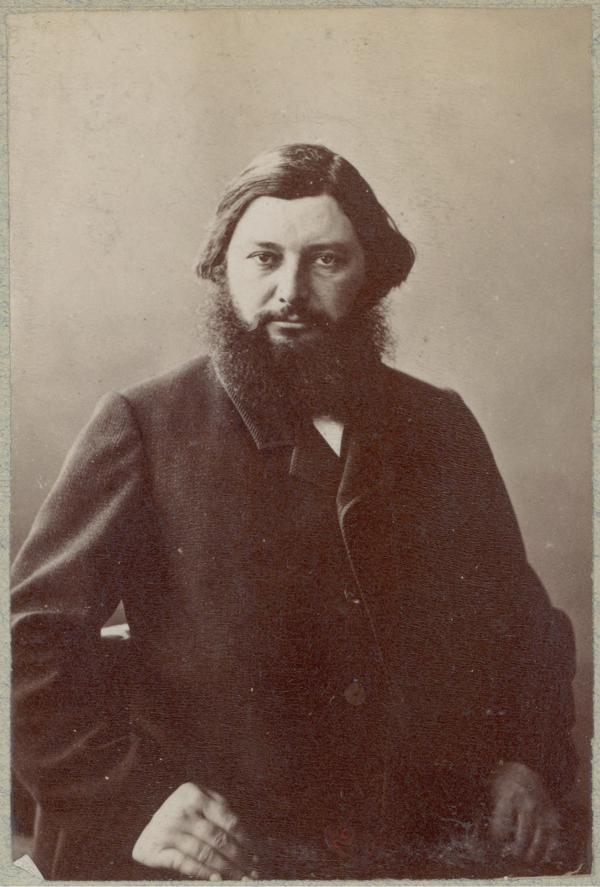
1867 - Painting - 73cm x 54cmMy name is Feely T. Heart, and I will be your guide today through one of our paintings: nn "Autumn Sea," painted in 1867, draws us into the raw power and beauty of the natural world as seen by the artist, Gustave Courbet. The canvas, measuring 0.73 meters wide and 0.54 meters high, is dominated by a turbulent sea painted in a palette of deep blues and frothy whites, capturing the energy of the waves as they crash towards the shore. Above, the sky mirrors the water's unrest with swirling clouds of gray, white, and brown. nn Courbet masterfully uses a technique called impasto, where thick layers of paint are applied to the canvas, creating a sense of texture and movement. Notice how the paint seems to ripple and swell, mimicking the waves themselves. This technique, along with his choice of a muted color palette, is characteristic of the Realism movement, of which Courbet was a leading figure. Rather than idealized landscapes, Realist painters sought to portray the world as they saw it, with all its imperfections and drama. nn "Autumn Sea" is more than just a seascape; it's a meditation on the power of nature and the fleeting beauty of a moment in time. The three small sailboats dwarfed by the vastness of the sea and sky remind us of the insignificance of humanity in the face of such grandeur. Here at the Ohara Museum of Art, we are fortunate to have this powerful work in our collection, allowing us to connect with Courbet's vision and the enduring themes he explores.
Creator
Collection

FeelTheArt®
Want to see more ? Try the app now !

or