Juro (God of Luck)
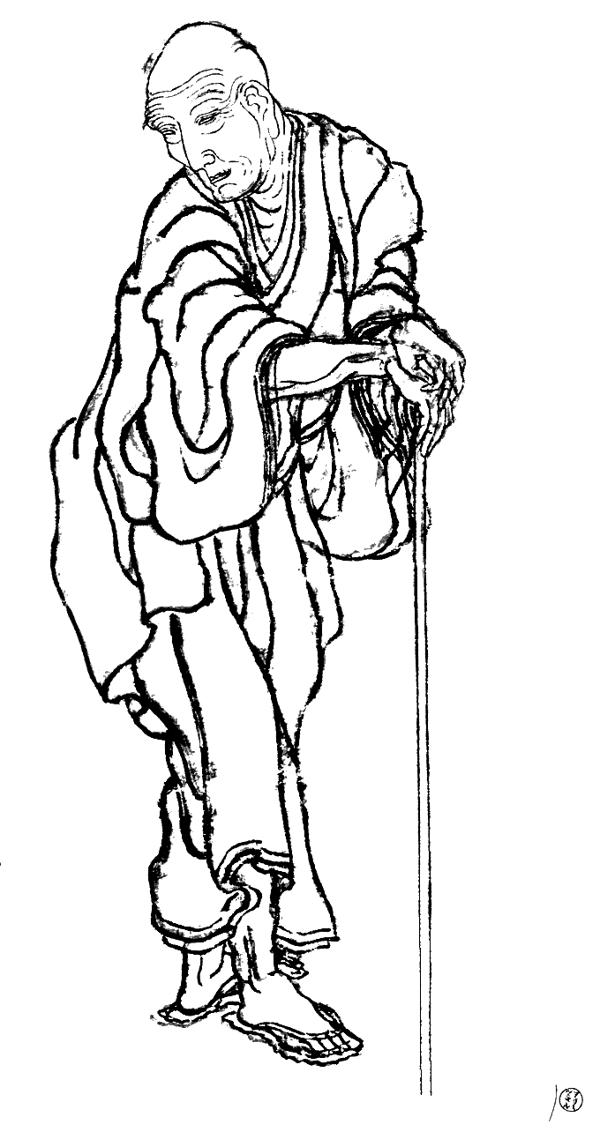
1760 - 1849 - Painting - 18cm x 27.1cm"Juro (God of Luck)", a captivating painting from the period between 1760 and 1849, invites us to explore Japanese culture through the masterful strokes of an unknown artist. Housed in the esteemed Metropolitan Museum of Art, this piece, measuring 0.181 meters wide and 0.271 meters tall, introduces us to Juro, the God of Luck. nn Notice how the artist portrays Juro as a wise, elderly figure with a flowing white beard. His traditional robes and hat speak to his venerated status. He sits thoughtfully, almost regally, upon a majestic deer, a creature often associated with longevity and good fortune in Japanese folklore. Juro's gnarled staff, held firmly in his right hand, further emphasizes his age and wisdom. nn The deer itself is a study in elegance. Its large antlers, rendered with careful detail, almost touch the top of the canvas, suggesting a powerful presence. The artist's choice to depict the deer in profile, facing left, creates a sense of movement, as if the pair is about to embark on a journey to bestow luck upon the deserving. nn The background, deliberately left plain, ensures that our focus remains solely on Juro and his noble steed. The artist's skillful use of black ink on off-white paper, with varying line weights and tonal washes, brings depth and dimension to the figures. Finally, observe the red artist's seal in the upper right corner, a mark of authenticity and a window into the world of Japanese artistic tradition.
Creator
Collection

FeelTheArt®
Want to see more ? Try the app now !

or