Portrait of a Nobleman, His Hand on a Sword
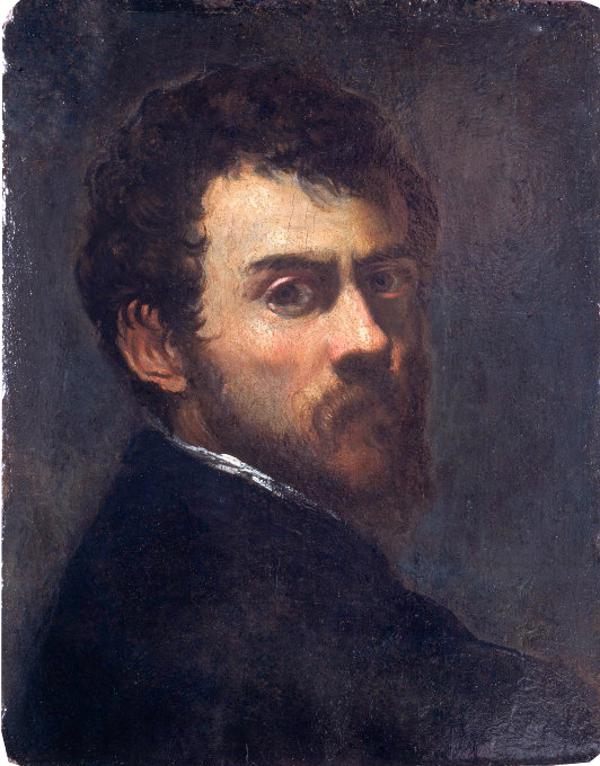
1540 - Painting - 83cm x 99.5cmMy name is Feely T. Heart, and I will be your guide today through a captivating portrait from the Louvre Museum's collection: "Portrait of a Nobleman, His Hand on a Sword," painted by the masterful Jacopo Tintoretto in 1540. nn This striking artwork, measuring approximately 83 centimeters wide and 99.5 centimeters high, immediately draws the viewer in with its compelling portrayal of a nobleman. He is depicted in a three-quarter view, his gaze directed slightly away from the viewer, creating an air of quiet contemplation. His dark, full beard and neatly combed hair, combined with his serious expression, convey a sense of mature authority and reserved power. He is dressed in a dark, heavy garment, the rich folds of which are masterfully rendered, suggesting a fabric of high quality. His right hand rests subtly on the hilt of a sword, partially visible, a clear symbol of his status and potential influence. nn Tintoretto's skill is evident in his use of light and shadow (chiaroscuro). A soft light illuminates the nobleman's face and upper body, highlighting his features and the texture of his clothing, while deep shadows in the background and around the edges of his garment add depth and drama. The muted background, punctuated by a light-grey architectural element, possibly a column, provides a subtle yet effective contrast, grounding the figure and hinting at a formal setting. The overall color palette is predominantly dark, with deep greens and blacks dominating, further enhancing the mood of quiet dignity. nn This portrait is not merely a depiction of an individual; it offers a glimpse into the social and political landscape of 16th-century Italy. The nobleman's attire, pose, and the presence of the sword all speak to his high social standing and potential role within the power structures of his time. "Portrait of a Nobleman, His Hand on a Sword" is a testament to Tintoretto's mastery of portraiture and his ability to capture both the physical likeness and the inner essence of his subject, making it a truly remarkable piece within the Louvre's extensive collection.
Creator
Collection



FeelTheArt®
Want to see more ? Try the app now !

or